Preparing Your Toddler for a New Baby
The day I found out I was expecting again, I felt a rush of joy and excitement! But it came with something new, something a little more complicated than the first time. When I was pregnant with my firstborn, it was pure joy. A whole new chapter. A whole new world. A whole new love I had yet to meet.
But the second time? My heart was full… and also full of questions.
“How can I possibly love another child as much as I love my first?”
“What will my firstborn think?”
“Will she feel replaced?”
“Will she love the baby? Or resent the baby?”
“Will I have enough of myself to give to both?”
As I began sharing these feelings with other moms who had been through it, almost every single one nodded with that knowing look. It’s normal. Completely, utterly normal.
And here’s the spoiler that every mom assured me of, and now I’m assuring you:
You absolutely can love more than one child.
Your love expands. It stretches. It grows with your children.
Your firstborn will love the baby—deeply—and beautifully.
My two kids are now best friends. They giggle, chase each other, whisper silly secrets, and play their own made-up games for hours. (Yes, they fight too—because siblings. But underneath it? They adore each other.)
With all that being said, you can rest assured that things will be just fine. But looking back, there were a few things that truly helped prepare my toddler for a new sibling. And honestly? There are a few things I wish I had done sooner or more intentionally.
So, I’m sharing some simple, heart-centered, and realistic ways to prepare your toddler for a new baby.
How to Prepare Your Toddler for a New Baby
1. Start Preparing Early
How you prepare your toddler depends so much on their age. Younger toddlers are often more flexible. They don’t fully grasp what’s happening yet, which can make the transition surprisingly smooth. Older toddlers, on the other hand, understand more, ask more questions, and need more reassurance.
You can begin by introducing the idea in small, simple ways:
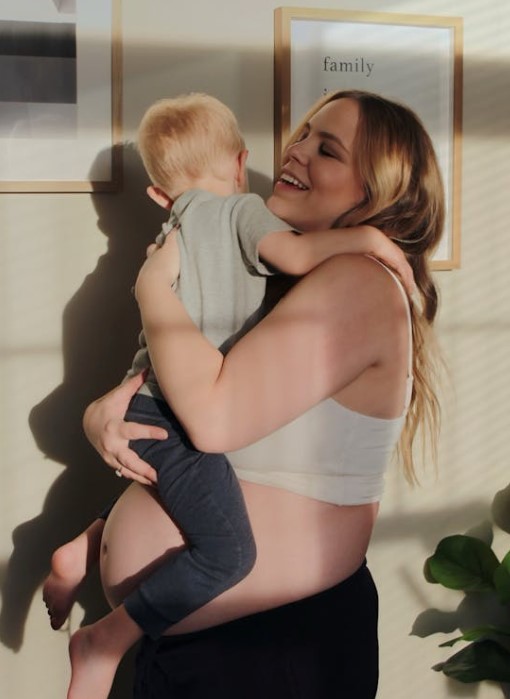
- Talk about Mommy’s tummy and show how it grows.
- Let your toddler listen to the baby’s heartbeat during doctor visits.
- Let them feel the baby’s little kicks and movements.
This helps them connect the dots: There is a real baby in there.
And honestly, boys and girls can respond differently, too. Many girls tend to be more nurturing, sensitive, and curious about the baby. Boys might show less interest or seem unfazed. Either way is normal. The key is simply keeping them involved at their level.
2. Use Books, Dolls, and Play to Make It Familiar
Books are magical for toddlers. They paint a picture of what life will look like once the baby arrives. They answer questions in a way toddlers truly understand.
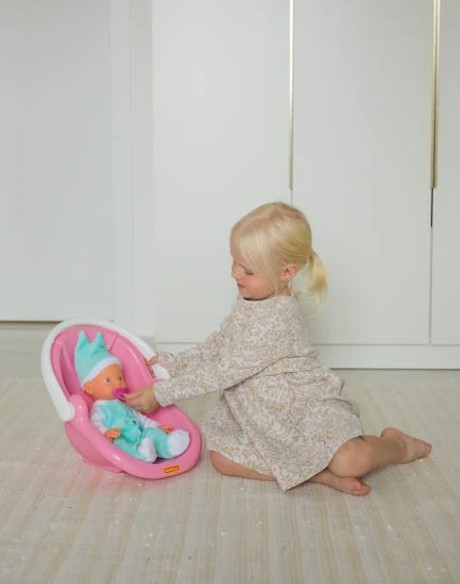
Dolls and stuffed animals also help toddlers practice being gentle, holding, feeding, and rocking. These little role-play moments are more powerful than we realize.
I still remember my daughter gently patting her stuffed bunny and singing to it, “Baby go night-night,” because she saw me preparing for her sibling. It made her feel proud and capable, like she was already training to be a big sister.
3. Involve Them in Baby Prep (Toddlers LOVE Having Jobs!)
Toddlers love feeling included, and giving them “big sibling jobs” makes them feel important.
Ask them things like:
- “Which outfit should the baby wear?”
- “Can you help Mommy put diapers in this drawer?”
- “Where should baby’s blankets go?”
These tiny tasks make them feel like the baby isn’t just Mommy’s baby.
It’s our baby.
My daughter absolutely loved choosing onesies and socks. She would proudly hold them up and declare, “Baby, wear this!” Little moments like these helped her bond with the baby long before the birth.
4. Create Special “Big Sibling Moments” Before Baby Arrives
One of the biggest fears toddlers have, though they can’t articulate it, is the idea of being replaced. They don’t understand that your love multiplies; they only know that Mommy’s attention is about to be shared. That’s why creating intentional “big sibling moments” before the baby arrives is so important.
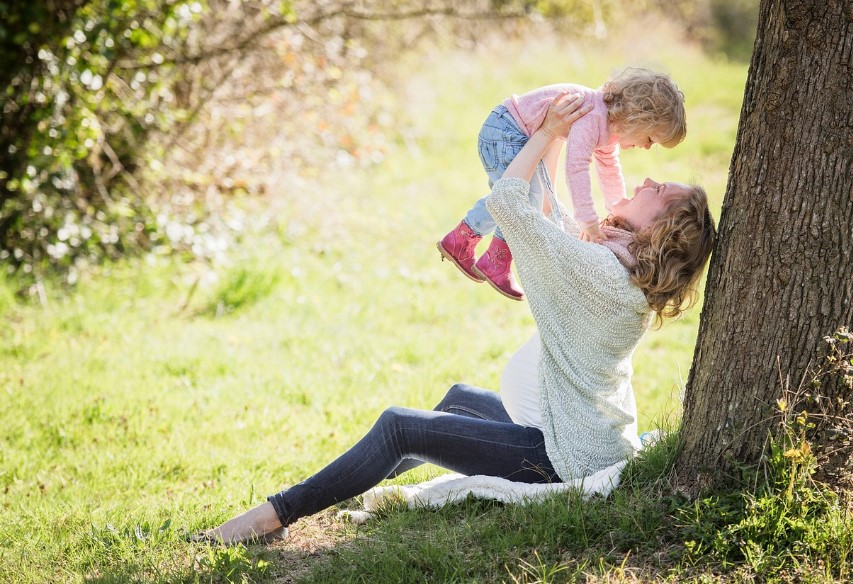
For my daughter, this looked like simple, meaningful one-on-one time: a Starbucks date for cake pops, a park visit just the two of us, or a bedtime routine without rushing. These small slices of undivided attention filled her little heart and reassured her that she wasn’t losing her place with me.
Another idea that works beautifully is giving them a “big sibling” gift or creating a “big sister/brother kit.” It can be something simple: a big sibling T-shirt, a special book, a small tote bag with crayons or snacks for the hospital. It gives toddlers something to hold onto, a physical reminder that they have an important new role.
And don’t underestimate the power of words. Toddlers thrive on affirmation. Tell them:
“You’re going to be such a wonderful big sister.”
“Baby is so lucky to have YOU.”
“You get to teach the baby so many things!”
All of this helps them feel proud, not threatened.
5. Prepare Them for What Life Will Look Like After the Baby Comes
Toddlers function best when they know what to expect. The unknown is what triggers anxiety, clinginess, and meltdowns. So, preparing them for what life will actually look like with a newborn is one of the most helpful things you can do.
Explain practical changes in toddler-sized language:
“Babies cry a lot because they can’t talk yet.”
“Mommy will need to feed the baby many times a day.”
“Baby will sleep a lot, but Mommy will still play with you.”
“Babies can’t run or play yet — but you can teach the baby things as they grow!”
If you know you’ll need help from grandparents or your spouse during recovery, explain that too:
“Grandma will help take care of you when Mommy rests after the baby is born.”
“Daddy might give you your bath while Mommy feeds the baby.”
It doesn’t have to be heavy — just matter-of-fact.
When toddlers understand the rhythm that’s coming, they feel secure instead of blindsided.
I remember telling my daughter, “Baby is going to cry a lot, but mommy is okay. Crying doesn’t mean something is wrong.” That one sentence helped so much. When the baby actually cried, she didn’t melt down or panic. She just said, “Baby talk!” and carried on.
Explain also what won’t change:
“You’re still my girl.”
“I will always have time for you.”
“You will always be my baby, too.”
These reassurances go a long, long way.
6. Plan the First Meeting Thoughtfully
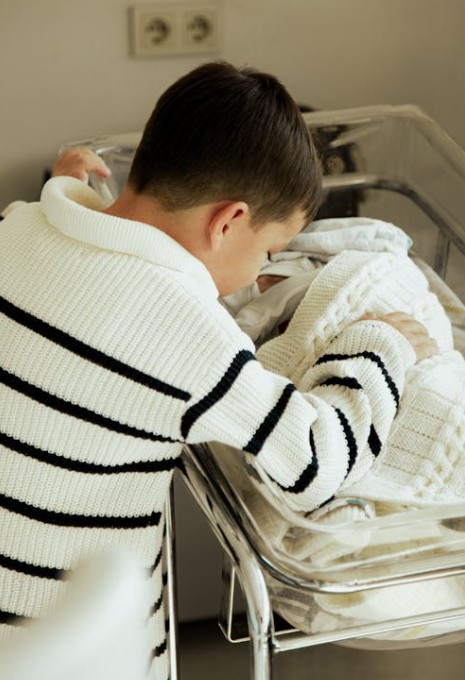
That first meeting between toddler and baby is a memory you’ll carry forever, and toddlers remember it too. A little planning helps set a positive tone.
The biggest advice I received (and now give every mom):
Have someone else hold the baby so your arms are open for your toddler.
When your toddler walks in and sees you holding someone else, their little heart doesn’t know what to do with that. But when they see YOU, open, waiting, excited to hug them, everything in them relaxes.
When my daughter came to the hospital, I made sure my husband held the baby first. She walked in shyly, a little unsure, but when she saw my empty arms, she ran to me, melting into my chest as if saying, “You’re still mine.” And that moment mattered. I really believe it softened the entire transition for her.
Another helpful tip:
Let your toddler give the baby a gift or receive a gift “from the baby.”
It sounds cheesy, but toddlers LOVE this. It forms a positive association:
Baby = fun + love + excitement.
And finally, do not rush the interaction. Let your toddler approach the baby at their own pace. Some toddlers touch gently right away. Others simply look from afar. Both are normal.
The goal isn’t a perfect photo; it’s a secure beginning.
7. Give Your Toddler Real Jobs After Baby Arrives
Toddlers can struggle when everything suddenly becomes about the baby. Giving them purposeful jobs helps them feel included instead of left out.
Some jobs toddlers can handle:
- Bringing diapers
- Getting the burp cloth
- Throwing away wipes
- Singing to the baby
- Rocking gently while supervised
- Feeding the baby with a bottle — my daughter’s favorite!
I’ll never forget the joy on her face the first time she held the bottle. She felt so proud and grown up. To her, this wasn’t a chore. It was like taking care of her very own real-life baby doll.
8. Expect Some Regression
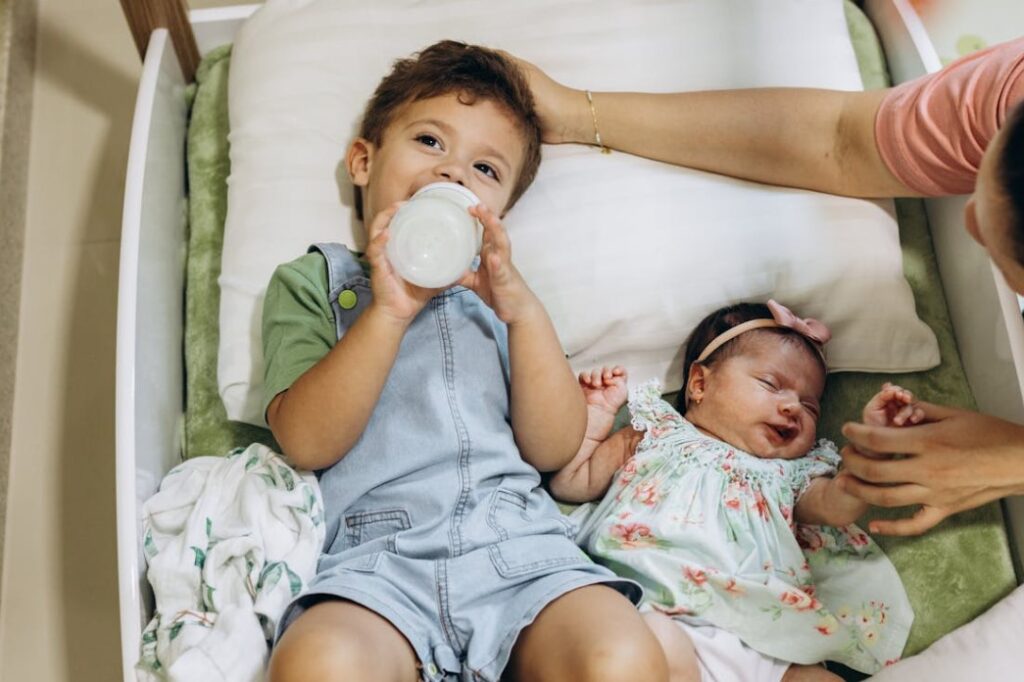
Regression is one of the most confusing parts of adding a new sibling. One day your toddler is potty trained, sleeping great, eating normally… and the next day?
It’s like everything falls apart.
Sleep regressions.
Potty setbacks.
Clinginess.
Tantrums.
Sudden dependence.
Wanting to be “the baby” again.
It can feel alarming at first…but this is actually healthy and normal. It’s your toddler’s way of expressing the huge transition their little heart is processing.
Think of it this way: toddlers don’t have the words to say, “I’m overwhelmed,” or “I’m scared everything is changing.” Their behavior becomes their voice.
So when regression happens:
Stay calm.
Stay consistent.
Stay connected.
Stay gently firm when needed.
And offer extra emotional support.
All regressions fade sooner or later. And if you can, hold big milestones after the baby arrives. Potty train after the baby’s a few months into the family. This way you can avoid one regression!
Final Memo: A New Sibling Is a Beautiful Gift—For Everyone
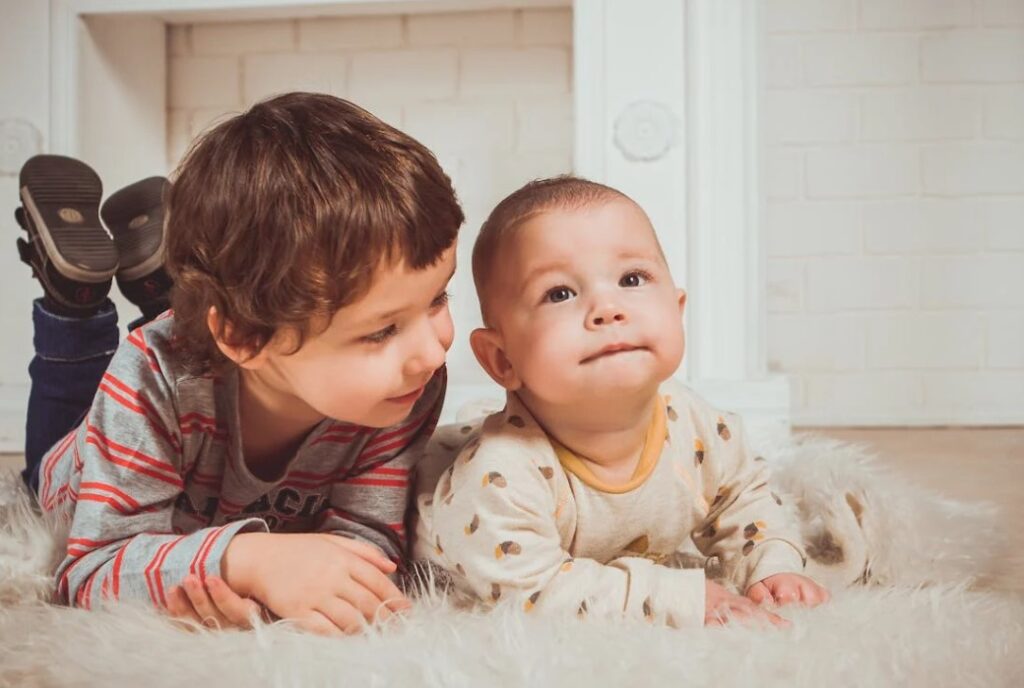
A new sibling is one of the most beautiful gifts you can give your first child. They may not understand it right away. They might have setbacks. They might struggle to adjust.
But these hiccups?
They are small.
They are short-lived.
They fade so quickly you can barely remember them.
Today, my kids play so beautifully together. I often find myself just sitting back, quietly watching them build blocks or chase each other, feeling my heart melt at the sight. Those are the moments that make everything worth it.
I never regret having more children.
I feel fuller.
I feel happier.
And I feel grateful that my children have each other.
Yes, the transition can feel overwhelming. But on the other side is so much love, laughter, growth, and joy. Your toddler will adjust. Your heart will expand. And your family will find its new, beautiful rhythm.
You are giving your child a lifelong friend.
And that is a gift beyond measure.