
Teaching Toddlers to Help with Chores
There’s a moment in motherhood when you realize something surprising:
your toddler actually wants to help.
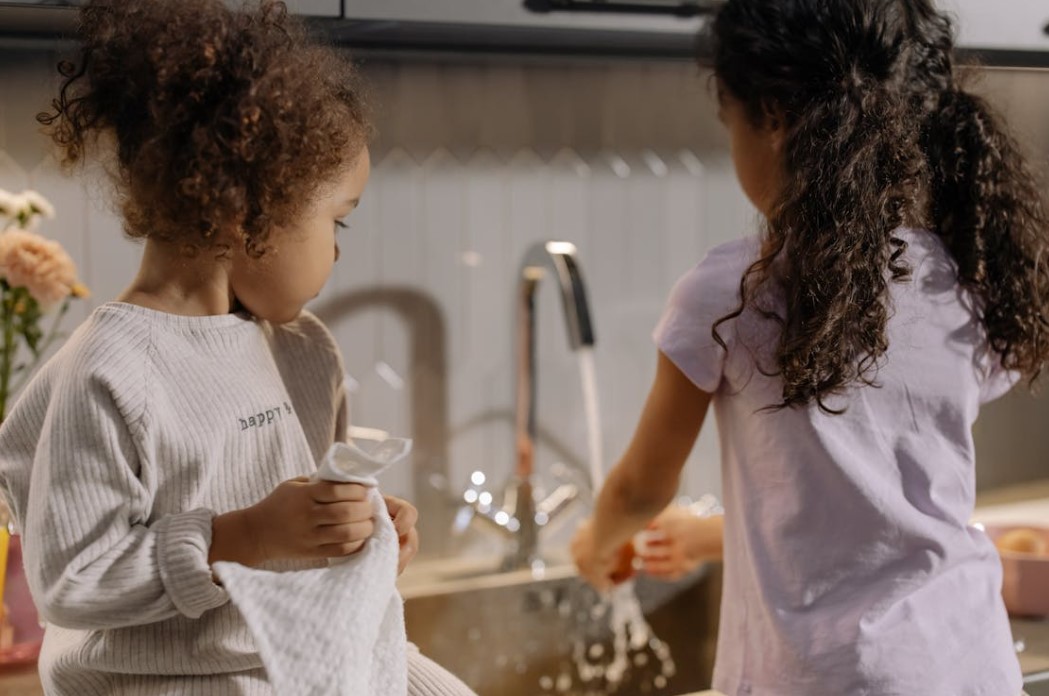
I still remember the day my daughter saw me washing veggies for dinner. She marched right up to the sink, pulled up her little stool, and insisted, insisted, that she help wash the carrots. Then she got mad when I tried to finish them myself.
That was the moment I realized:
She isn’t too young. She’s ready.
It may be easier to do everything ourselves. And honestly, most days it really is easier. But toddlers love being involved. They love copying what we do. They love feeling capable. And this window of enthusiasm? It’s golden.
If we nurture it, encourage it, and make it fun, we can teach them real-life skills that stay with them for years.
Not to mention… our future selves will thank us.
Today, I want to share why chores matter, how to begin, what age-appropriate tasks look like, and how to make it all work—even on the days when your toddler wants nothing to do with it.
Why Chores Matter (Even for Tiny Humans)
One of the most important reasons to teach toddlers chores is this:
1. We are teaching life skills that they will absolutely need one day.
Doing chores is not just about getting help around the house. It’s about equipping our children for adulthood.
If they never learn how to do laundry, wash vegetables, tidy a space, or take care of their belongings, they end up as young adults taking “adulting classes,” trying to learn the basics later in life. And while it’s never too late, it does feel like playing catch-up.
Starting young makes these skills feel natural, not overwhelming.
2.Chores also build confidence.
Toddlers have a deep desire to do things “by myself!”
When we let them try, even if it’s messy, they glow with pride.
Their confidence grows. Their sense of responsibility grows. Their understanding of teamwork grows.
My daughter lights up whenever she gets to help—washing vegetables? She’s thrilled. Helping with laundry? She practically sprints to the hamper. Wiping the table? She does it with dramatic flair. Not every child will be this enthusiastic, but I truly believe they all have it in them. They just need encouragement and a fun, positive environment.
Age-Appropriate Chores for Toddlers
Before we expect toddlers to help, let’s make sure we give them tasks they can actually do. Here are some ideas based on age and ability.
Ages 1–2 (simple tasks with lots of modeling):
- Putting toys in a basket
- Throwing away trash
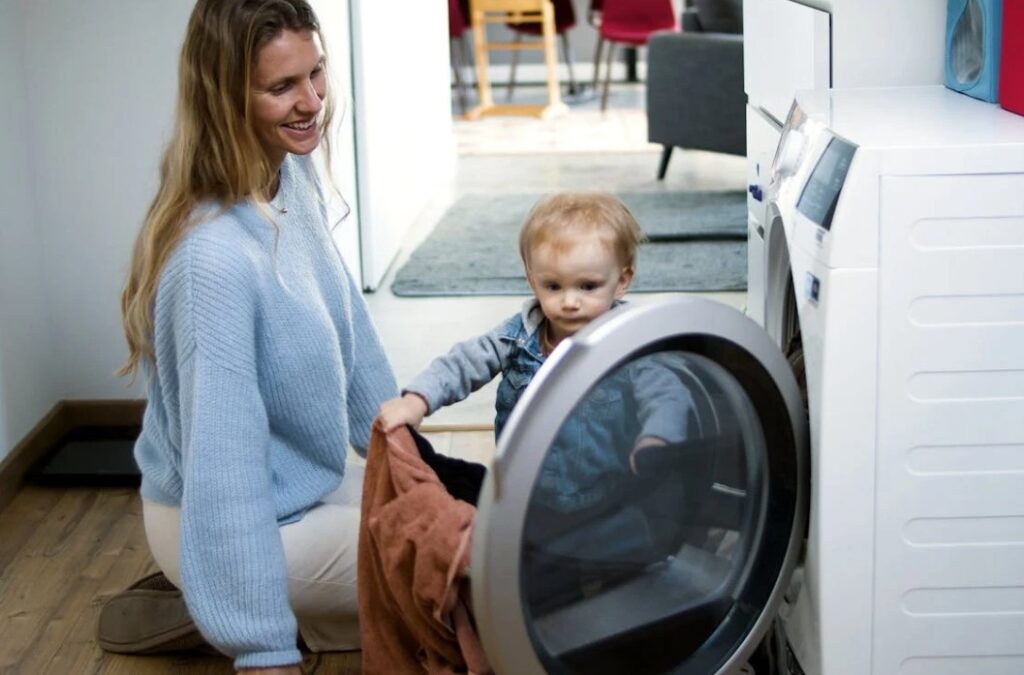
- Helping push laundry into the washer
- Wiping spills with a cloth
- Carrying diapers to the diaper pail
- Handing you items during cleanup
Ages 2–3 (tasks with a bit more independence):
- Putting clothes into the hamper
- Matching socks
- Wiping the table after meals
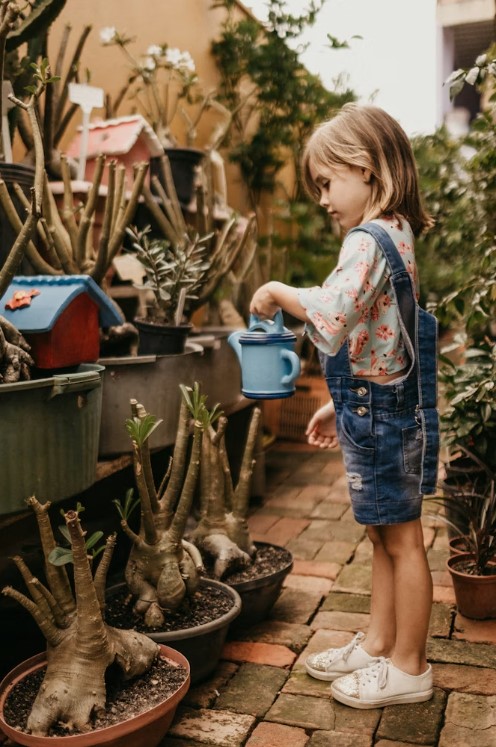
- Watering plants (with supervision)
- Helping set the table with plastic items
- Feeding pets (tiny scoops!)
My daughter’s favorite chore was always washing veggies. It made her feel grown-up and important, and she likes to play with water. She would be genuinely offended if I didn’t let her help in the kitchen.
Every child is different. Of course, not all kids naturally gravitate toward chores, but with gentle encouragement and fun presentation, chores don’t feel like chores. They feel like participation.
What About Boys?
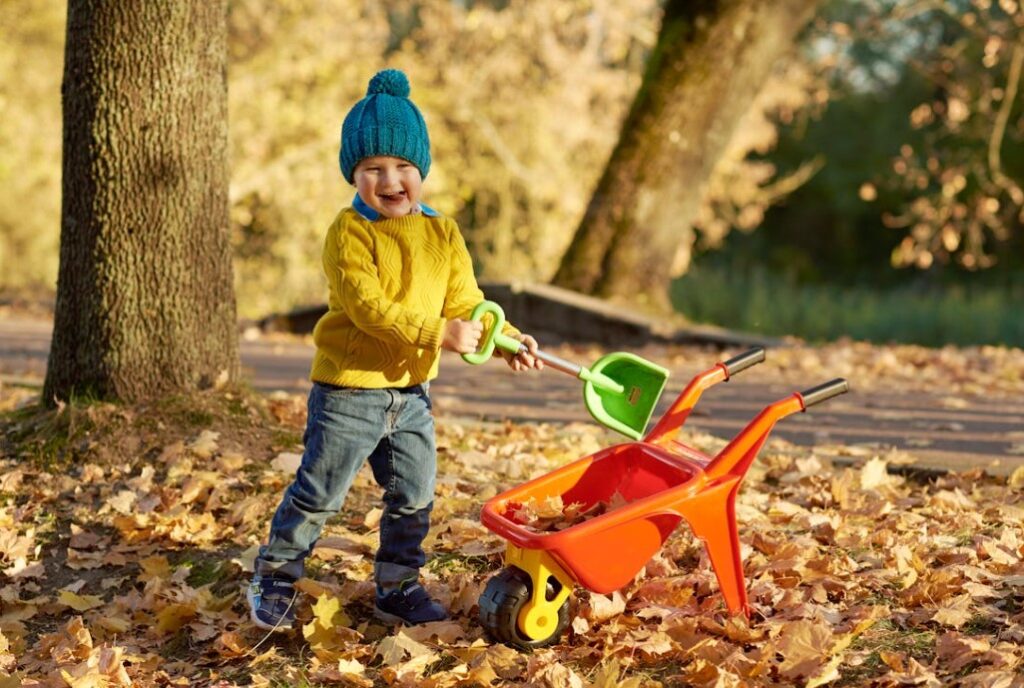
Let’s be honest, boys sometimes take a little longer to show interest in household tasks. Nothing wrong with that. It simply means we need to think in terms of energy and movement.
Tasks like raking leaves, picking up sticks in the yard, shoveling (with a kid-sized shovel), sweeping the driveway, or even vacuuming can all appeal more to boys who love to move, push, and “do big work.” The goal isn’t to force enthusiasm but to channel it.
Make Chores Feel Like Play (Because Toddlers Learn Through Joy)

Toddlers learn best through joy, imagination, and connection, so turning chores into play makes all the difference. Instead of presenting a task as something they “have to” do, I try to make it something fun that we do together.
Sometimes we turn cleanup into a race to see who can find all the blue toys first. Other times, we put on music and have a silly dance party while we tidy up the living room. Even matching socks becomes a little game of “let’s find the pairs!”
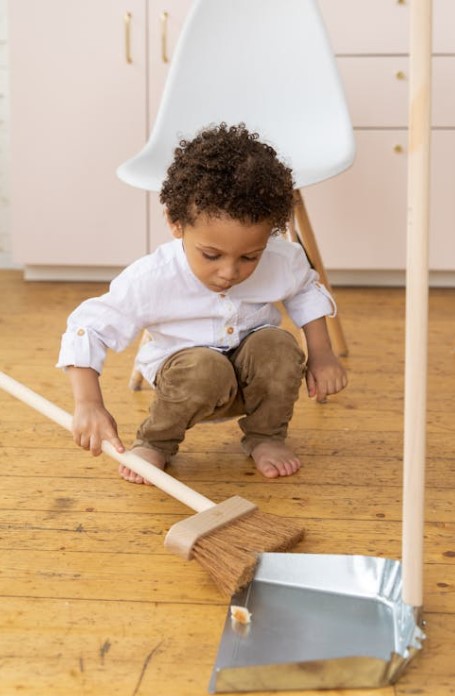
Giving toddlers kid-sized tools also helps them feel included. A tiny broom or a mini spray bottle (with just water) transforms a chore into a moment of independence. What I’ve learned is that when chores feel like play, toddlers don’t resist them. They run toward them.
Let Go of Perfection (This Is the Hard Part for Moms)
If we’re being honest… our biggest challenge isn’t whether toddlers can handle chores.
It’s whether we can handle the messiness that comes with letting them help.
Their wiping might smear crumbs more than clean them.
Their folded clothes look nothing like folded clothes.
Their “help” may slow you down tenfold.
But this is where the real learning happens—for them and for us.
We’re not raising perfect housekeepers.
We’re raising capable humans.
And God often teaches us through messy progress, too, not perfection.
Be Consistent — Tiny Habits Add Up
Toddlers thrive on routine. The more consistent we are, the quicker they catch on.
Try incorporating small chores into everyday rhythms:
- Morning: Help make the bed
- After playtime: Put toys in a basket
- After meals: Bring dishes to the sink
- Evening: Help tidy the bedroom
Praise their effort, every time. Toddlers blossom under encouragement.
When Your Toddler Refuses to Help
Even the most enthusiastic little helper will have days when they simply don’t want to help. And that’s completely normal. On these days, I’ve found it helps to keep expectations small and gently guide rather than force.
Sometimes offering a simple choice like, “Do you want to wipe the table or help pick up blocks?” gives them a sense of control that resets their attitude.
Modeling the behavior yourself can also draw them in. When toddlers see you wiping the table or organizing toys with a cheerful attitude, they often want to jump back in. And if they really resist? I remind myself not to turn chores into a battle. Consistency over time matters far more than perfect participation in any single moment.
A Story of Progress (The Part That Makes It All Worth It)
By age four, my daughter could already tidy her own room and pack her backpack for school.
I’m not bragging (well… maybe a little as a proud mom), but mostly I’m sharing this to encourage you.
All those small moments of training…
all those messy attempts…
all the wiping and sorting and teaching…
they added up.
She felt confident.
She became more considerate.
She loved feeling part of the real world.
And honestly? I treasure those moments we spent doing chores together.
Some of our sweetest conversations happened while folding clothes side by side or cleaning up toys after a busy day.
It also reduces screen time without a struggle. Toddlers LOVE being involved.
Final Memo
Toddlers are far more capable than we sometimes realize. With patience, encouragement, playfulness, and consistency, even the littlest ones can help around the house in meaningful ways.
It won’t be perfect.
It won’t always be easy.
But it will be worth it.
Chores aren’t just tasks, they are opportunities:
for connection, for confidence-building, for character-shaping, and for sweet little moments you’ll remember forever.
And one day, when your child proudly makes their bed or packs their own backpack, you’ll see the fruit of every tiny, messy effort.
You’re not just teaching chores.
You’re teaching life.